Delving deeper into the geographical jargon of market tiers sheds light on investment trends and value-add opportunities that would have gone overlooked just a decade ago. The real estate industry is known for its shorthand captioning of complex topics, often assuming that industry participants share common background knowledge. Since this...
Prudence dictates that we prevent our industry from going backwards and losing the credibility that we have worked so hard to gain. Real estate development in the U.S. has historically been driven by entrepreneurs with great ambition and visions of grandeur, but thin pocketbooks. Lacking their own controlled or discretionary...
With concessions ticking up and rent growth slowing, is it time to question or finetune allocation levels and strategies in multifamily investing? The stability, durability and continued capital flows into multifamily investing permeate today’s headlines, with industry pundits believing apartments to be the most popular product type with real estate...
We believe certain real estate investments will have enhanced after-tax yields in 2018. What better way to kick off the new year than to discuss the new tax law and the gift we all just received as real estate investors? The new tax legislation will impact investors and their investment...
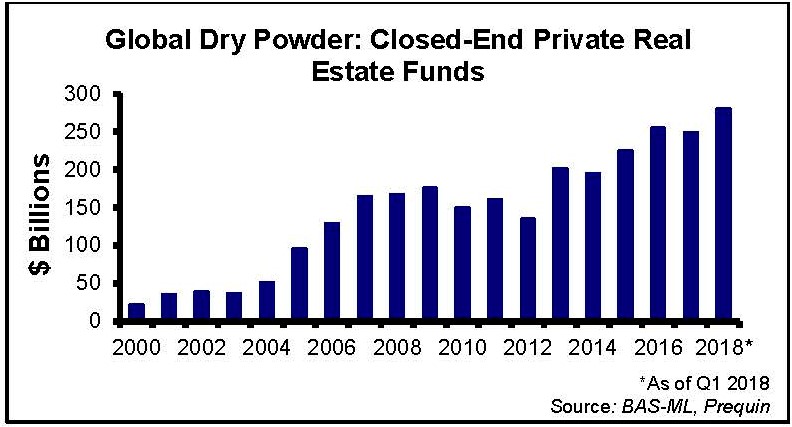
Tracking the trend of increasing alternatives allocation is worth a longer look, as it is indicative of a shift by HNW investors and will result in increased capital flows into real estate. The rethinking of traditional investment allocations is causing high-net-worth (HNW) investors to seek ways to diversify their investment...
Borrowing and lending for commercial real estate deals is hardly dead in the water, but it is not as active as it was only a year or two ago, as interest rates have crept up and transaction volumes are down. Essentially, there is a more conservative mood in the capital...
What are the market cues that can help pick opportunities that will generate returns that align with portfolio goals? As high-net-worth (HNW) investors and family offices look to increase their portfolio allocations in real estate, the multifamily sector continues to offer attractive investment opportunities. HNW investors demanding predictable cash flows...
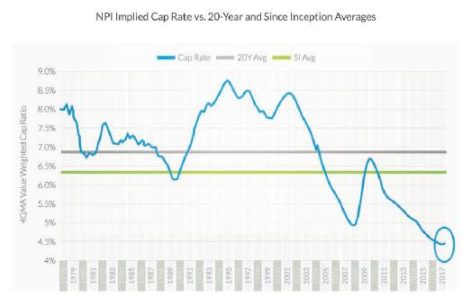
A compelling case is made for investing in secondary and suburban markets, which remain below peak valuation and present protection against a possible market correction. Ultra-high net worth (HNW) investors and family offices remain challenged to achieve acceptable risk-adjusted returns amid the current robust economic cycle. U.S. commercial property prices...
Private lenders may have the solution for the sector’s ‘sweet spot’ projects Chatter within the commercial real estate industry suggests we have reached, if not surpassed, the crest of the current market cycle, but the industrial sector is stronger than ever. According to JLL’s 2017 industrial outlook report, vacancy rates...